By Yvette Ehler, owner and groomer at Green Dog Mobile Grooming. Grooming since 2009.
I look at the coat’s thickness, texture, and shedding before choosing a grooming method. Length alone does not tell me enough.
A short coat can have thick undercoat, while a longer one may be easier to comb. I check what is underneath and where loose hair or tangles are caught.
I start here because it explains why a method that works beautifully on one dog fails on another. It also stops you buying a brush because the packet named your breed, when the pin length or working depth is wrong for the coat your dog actually has.
Smooth/Hairless
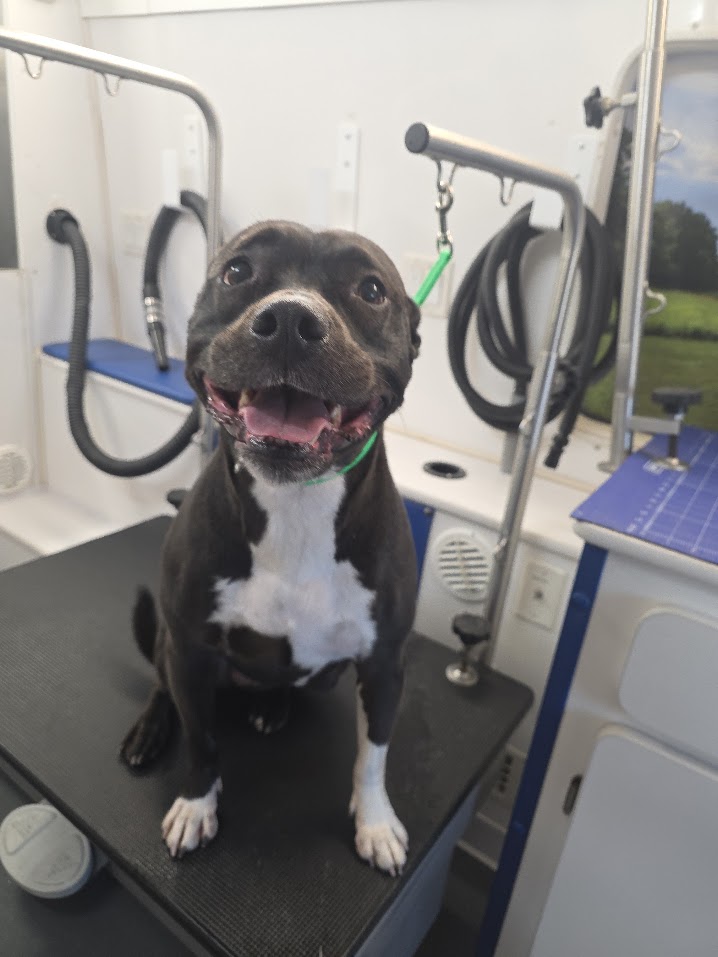
In the smooth-coated portion of this division, the coat lies close to the body and may have little undercoat or a more developed undercoat depending on breed. Bathing, thorough rinsing and a rubber curry are often useful for lifting loose hair and debris. Hairless breeds belong to the same AKC grooming division but have different skin-care requirements and should not be treated as though they simply have an extremely short smooth coat.
These dogs still shed. But the problem is different from the retained loose undercoat you are trying to release from a Labrador, Shepherd, Husky, or Corgi.
Because the routine is simple, the product does more of the work. I want a cleanser that does the job without leaving residue — and where two suitable products perform alike, that is when concentration, refill formats, or documented biodegradable ingredients become a fair tiebreaker.
Double coats vary substantially in density and length
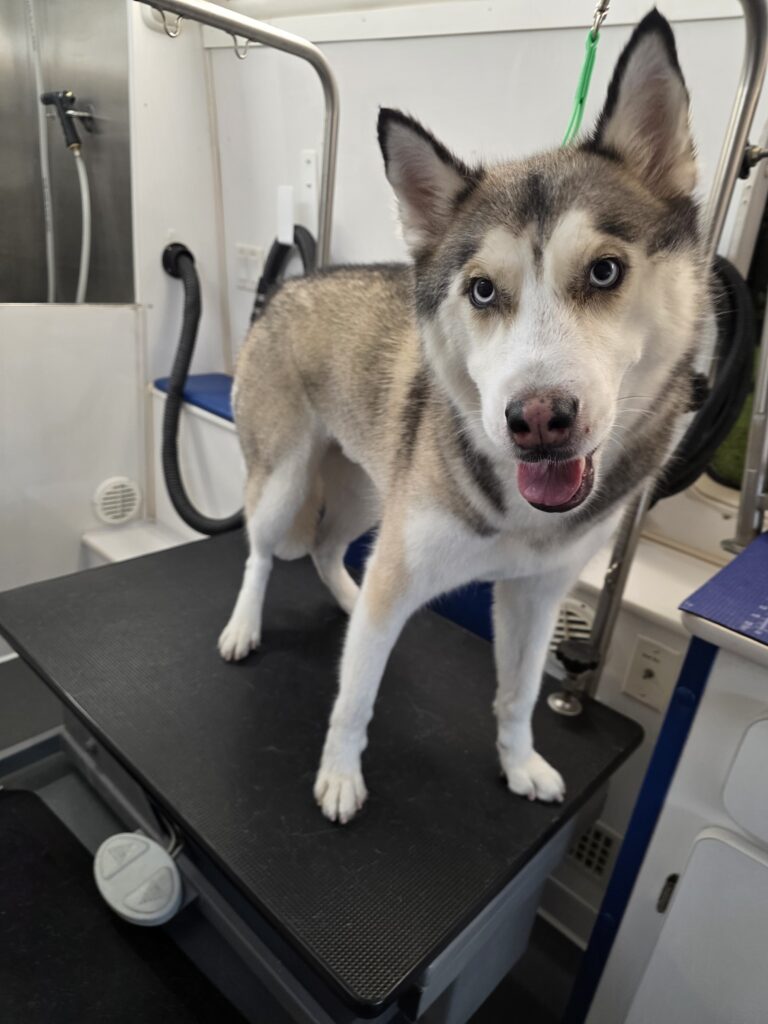
A double coat has coarser outer hair and softer undercoat. The thickness varies. Water, shampoo, and airflow need to reach all the way through, and drying can remove a lot of loose undercoat before brushing.
The goal is never to thin the coat by cutting it shorter. It is to remove what has already loosened while leaving the healthy outer coat where it belongs. The Brushing, Combing & Deshedding guides cover how the right tool should move through a coat rather than scrape at skin.
Greater undercoat density requires more drying and deshedding work
These take time, because the undercoat is both dense and deep. Rinse completely. Dry all the way through rather than stopping when the surface feels done. High-velocity air separates the guard hairs, drives water out, and releases loose undercoat so the brushing and carding afterward can be precise instead of brutal.
Owners look at a Corgi or a Pomeranian and judge by visible length. I judge by how much coat the air and the brush have to travel through. Density is what drives drying time and the amount of work required — not how long the hair looks. The dense double coat guide works through the whole sequence, from the bath and the rinse to high-velocity drying, raking and carding.
Curly coats
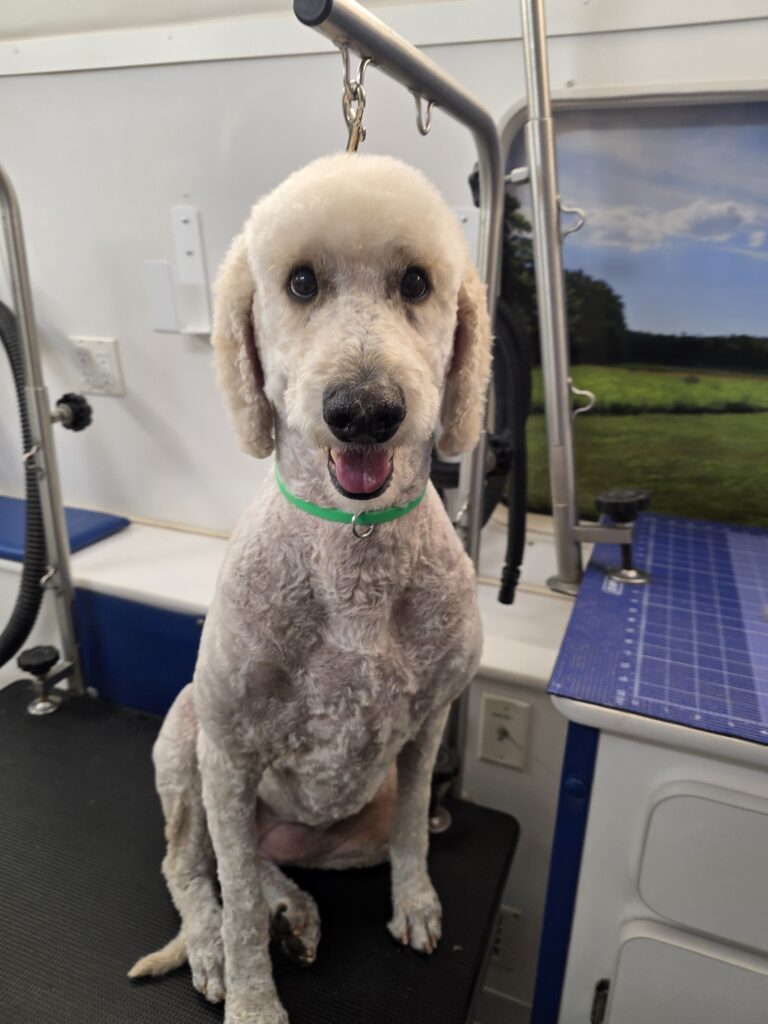
Curly coats can retain detached hairs within the surrounding coat rather than releasing them freely, particularly when curl and coat density limit how readily loose hairs fall away. The retained hairs increase friction and can become incorporated into tangles and mats, which is why these coats need systematic brushing and combing through their full depth.
So: line brushing. Small sections, from the skin outward, then check with a metal comb. If the comb will not pass, that section is not done — whatever the surface suggests. The curly coat guide covers line brushing, the comb check and clipping preparation in full.
That preparation is what makes a haircut predictable. Clippers and guard combs travel evenly through a clean, dry, fully combed coat. They do not travel evenly through hidden tangles. The Dog Clippers, Trimmers & Haircuts guides build from that preparation rather than treating the clipper as step one.
Drop coats
Long coats tangle easily where the hair rubs or moves a lot: behind the ears, under collars and harnesses, in the armpits, around the back legs, and under the tail.
These are the spots that matter, and they are the ones most people miss. Brushing the easy open areas while skipping the friction points gives you the feeling of maintaining a coat without the result. A slicker or pin brush does the initial work, and a metal comb checks whether the coat is clear all the way to the skin.
Wire coats
Wire coats are maintained differently from soft clipping coats, particularly when preserving the characteristic harsh outer texture is the goal. The right method depends on the individual coat, what you want from it, and whether it is being maintained to preserve that harsher texture. I avoid a universal rule here, because grooming history and previous clipping change what you are working with.
Choose tools after identifying the coat structure and the grooming job that needs to be done. Pin length, tooth spacing and working depth matter more than a breed name printed on the package.
Jacketed coats
Jacketed breeds are another distinct AKC grooming division. Their grooming is organized around maintaining a defined body jacket with breed-appropriate treatment of furnishings and transitions. The exact technique varies by breed and by whether the dog is maintained as a pet or for the show ring.
Let the coat drive the routine
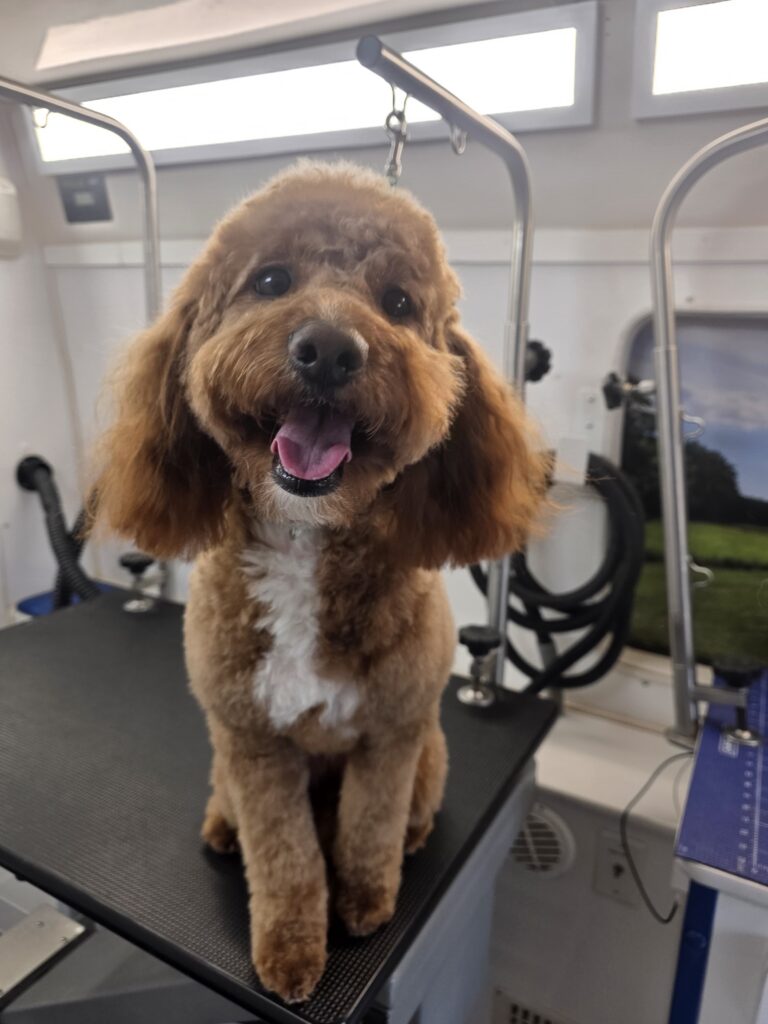
Once you know the structure, everything else falls into order — bathing, conditioning, drying, brushing, deshedding, clipping, and what you do between appointments. Breed is useful context, but the individual dog’s coat determines the grooming technique and tools. If your dog has the wavy or loosely curled coat common to many doodles, the doodle coat guide explains how retained loose hair, friction and coat length affect matting and home maintenance.
From here, go to Dog Bathing & Conditioning or Brushing, Combing & Deshedding, depending on which part of the routine you are trying to fix.